The Neighbourhood
A Morning at Clumber Park
Where to walk before the visitors arrive, where to find a good coffee on the way home, and which season makes it best.
There's a window, between about eight and ten on a weekday in October, when Clumber Park belongs to about thirty people. The car park at Hardwick has space. The Long Avenue stretches ahead with no one on it. The cafe is opening. The light is doing the thing it does best — low, gold, catching the last of the leaves before they fall.
If you've only ever come to Clumber on a Saturday afternoon in August, you don't know it yet.
Where it is, and how to get there.
Clumber Park is just under four miles north-east of Worksop, off the A1. From the centre of town it's about fifteen minutes on the back lanes — out past the priory, down through Carlton-in-Lindrick, in via the south gate. The main entrance and car park sit at Hardwick, by the lake. There's a smaller, quieter lot at Apleyhead that we tend to recommend to guests on the west side of Worksop.
Parking is about £8 a day for non-members, free for the National Trust. Pay-and-display, contactless works. Gates open at 7.
The Long Avenue, alone.
Most visitors come in through the main gate and head straight for the lake or the cafe. Almost nobody walks the Long Avenue first.
This is a mistake.
It is two miles of lime trees, planted in 1844, and depending on whom you ask, the longest avenue of its kind in Europe. Walked alone in the morning, with the canopy meeting overhead and the deer crossing the path a hundred yards ahead, it's the kind of thing England does extremely well and almost never tells anyone about.
You can walk the full avenue end-to-end in about forty-five minutes. Or do half of it — out to the gates and back — in twenty-five.
Around the lake.
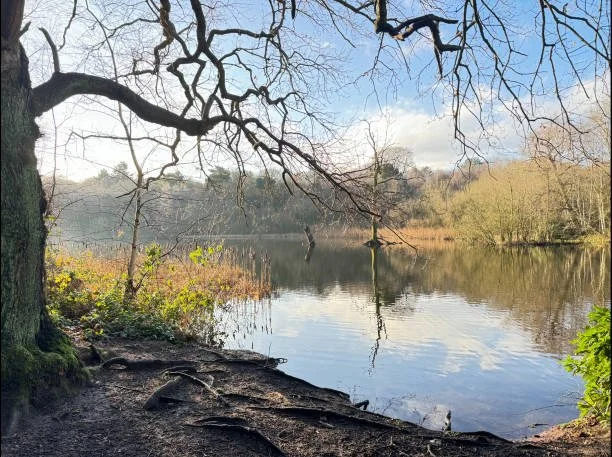
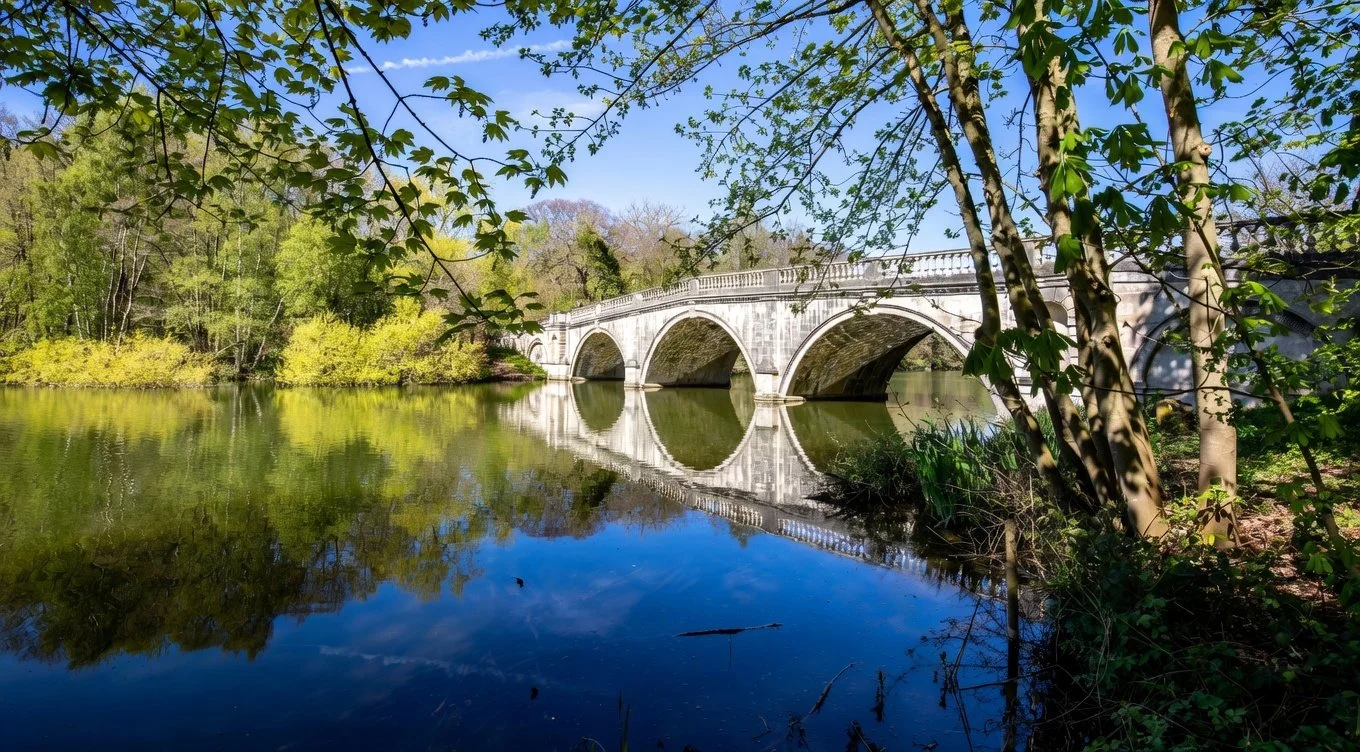
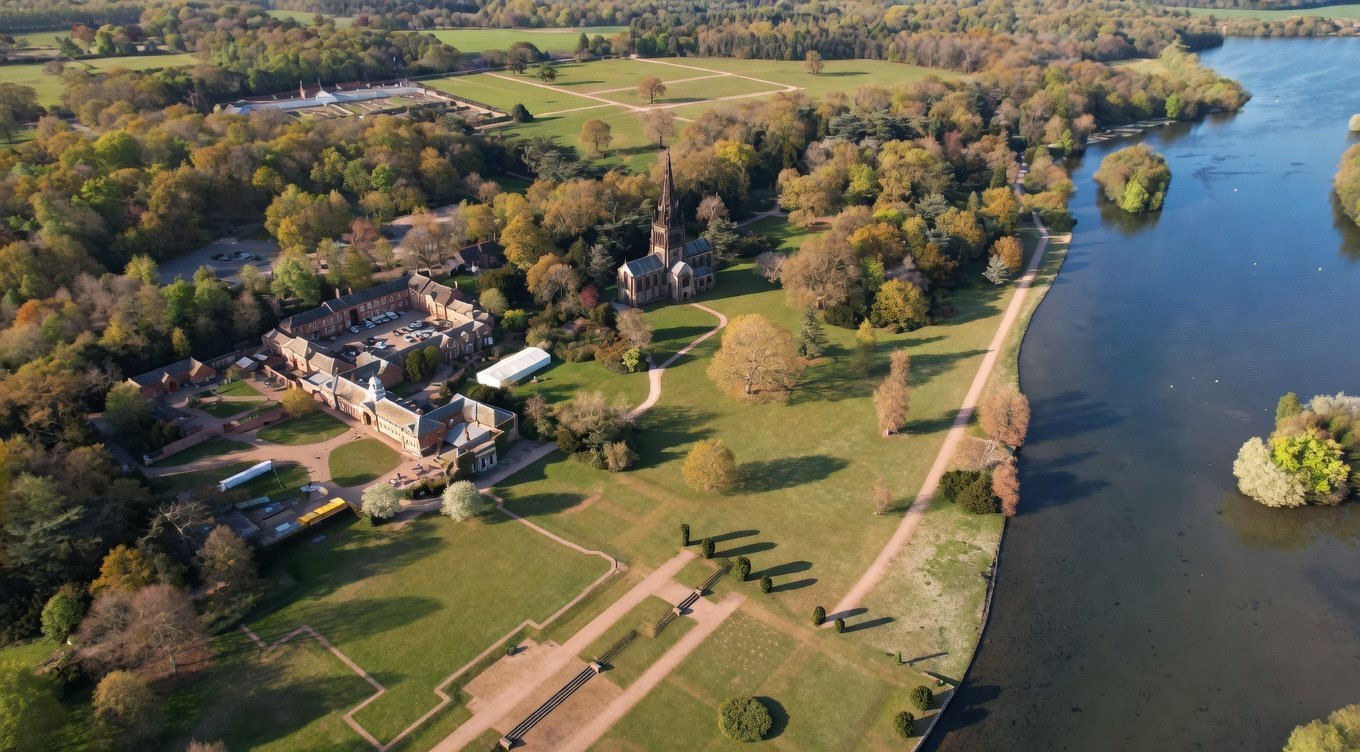
If you have more time, the lake circuit is about four miles flat, almost entirely on level paths. We send guests this way more than any other route on the estate. It takes in the cricket pitch, the boathouse, the Pleasure Grounds, the chapel from across the water, and the woodland out towards the southern boundary.
Pack a coffee. Wear something for the wind off the water.
The chapel.
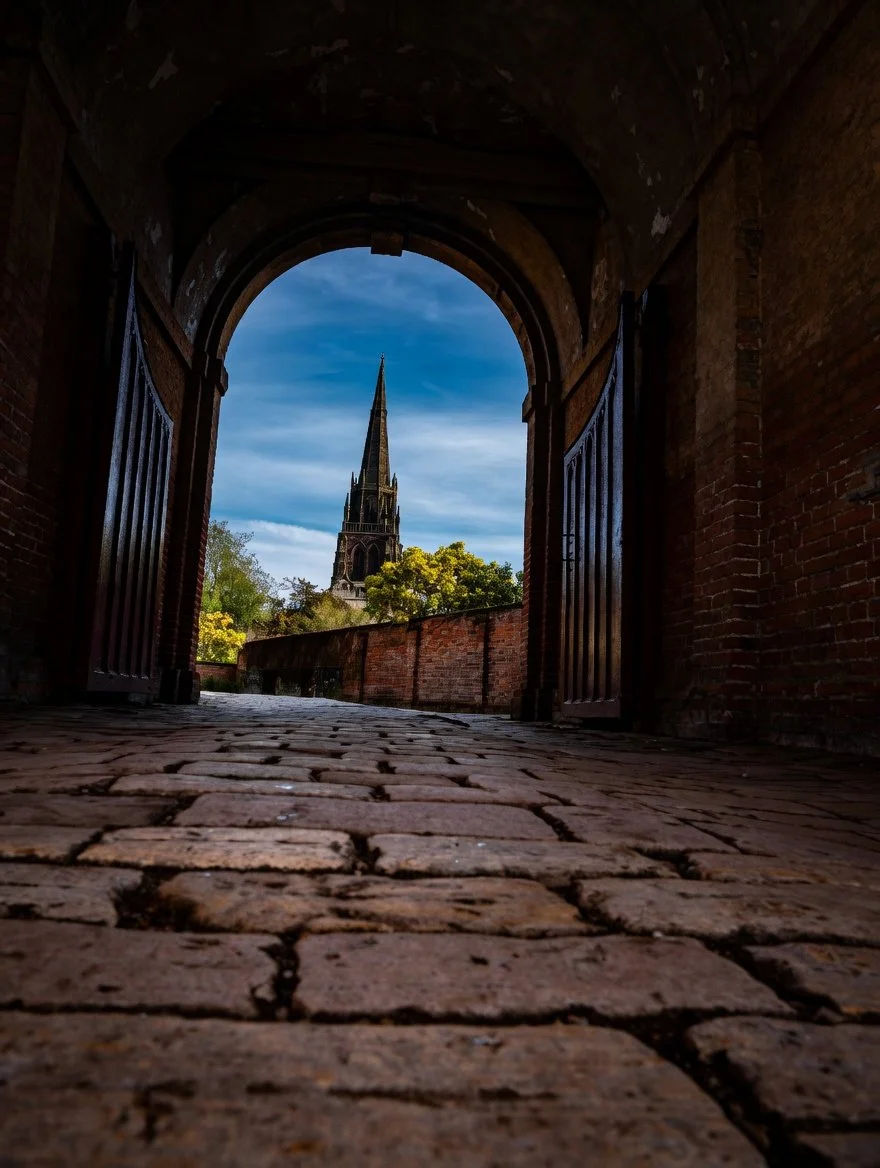
The chapel of St Mary the Virgin sits on the far side of the lake from the main car park. It's Gothic Revival, finished in 1889 for the seventh Duke of Newcastle. The original Clumber House, by the lakeside, was demolished in 1938 — the chapel is what remains.
Inside, the proportions are improbable. The duke wanted a cathedral on a country estate, and that's more or less what he got. There's stained glass that survives, there's a roof you'd swear belongs to somewhere larger, and there's almost always nobody else in the building.
By season.
We get asked which is the best month to come. Honestly, it depends what you're after. For snowdrops, February and early March. For bluebells, late April into early May. For the avenue at its best, late October — some years the lime turns a yellow so deep you can see it from a quarter-mile away. For the lake at its quietest, anytime in January or early February at first light. Bring gloves.
Where to stay nearby.
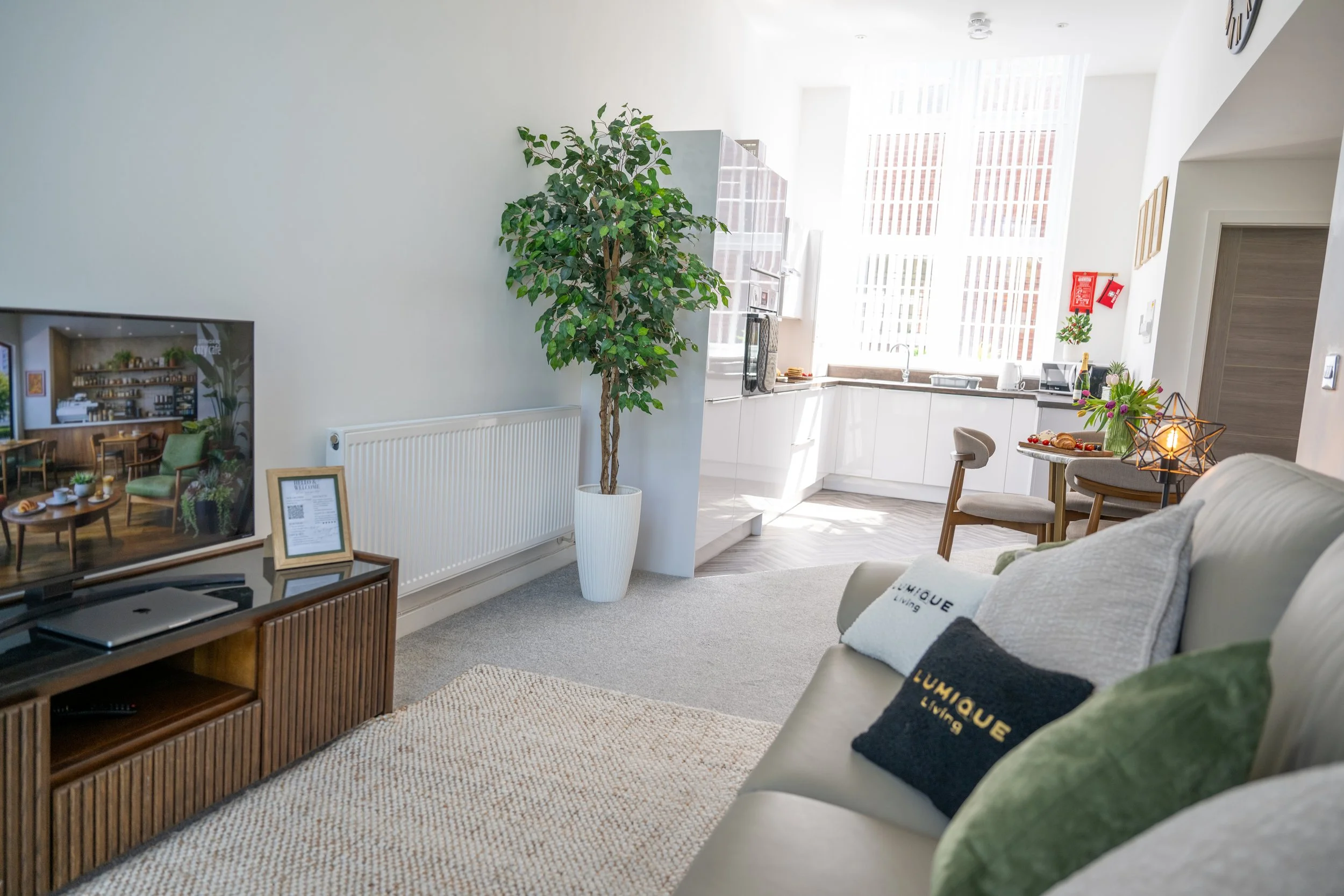
We're a Worksop short-let operator, so we'll say this plainly: there isn't a hotel in the area worth staying at if Clumber Park is the reason for the trip. We'd suggest one of our apartments — It’s within 5 minutes by car, all sleep two to eight, and you can walk out at half-seven in the morning, drive few minutes, and be on the Long Avenue before the second car arrives.
Practical info
opens - Daily from 7am. Cafes from 9am.
parking - £8 a day for non-members, contactless. Free for National Trust members.
quieter - Apleyhead (south side) instead of Hardwick.
dogs - Welcome on lead in most areas. Off-lead in the designated field.
cycle hire - At Hardwick, March to October.
postcode - S80 3AZ — for the sat nav.